
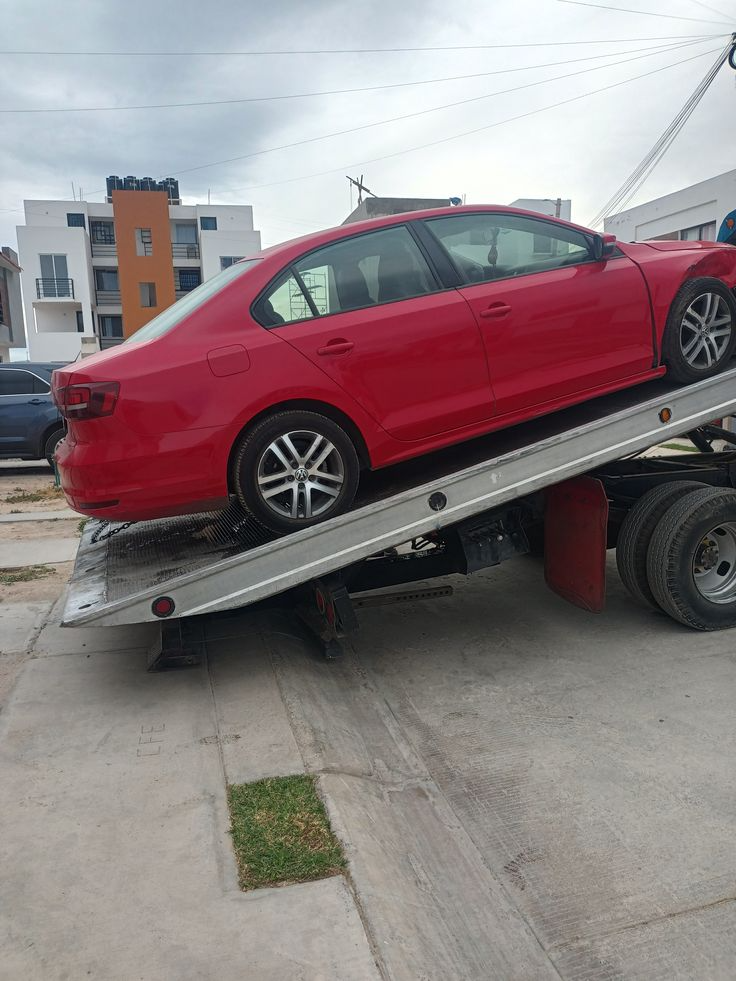
Shipping a vehicle can be a convenient solution when you are moving to a new state, purchasing a car from another location, relocating for work, or sending a vehicle to a family member. However, preparing your car properly before transportation can make the entire process easier and help reduce the risk of unexpected problems.
At Car Guard Shipping, we help customers arrange reliable vehicle transportation through services such as open car transport, enclosed car transport, door-to-door auto transport, and state-to-state vehicle shipping. Before your vehicle is picked up, there are several important steps you should take.
1. Clean Your Vehicle
Start by washing the exterior of your vehicle. A clean car makes it easier to identify existing scratches, dents, paint damage, or other imperfections during the vehicle inspection.
You do not necessarily need a professional detail, but removing dirt and mud from the exterior can make the inspection process much clearer.
It is also a good idea to clean the interior and remove unnecessary personal belongings.
2. Remove Personal Items
Before shipping your vehicle, remove personal belongings from the passenger compartment, trunk, glove compartment, and other storage areas.
Items left inside the vehicle may move around during transportation and potentially cause damage. Depending on the transportation arrangement, personal belongings may also not be covered by the vehicle transporter’s cargo insurance.
For this reason, it is best to ship your vehicle with the interior as empty as possible.
3. Check for Existing Damage
Inspect your vehicle carefully before pickup. Look at the bumpers, doors, hood, roof, mirrors, windows, wheels, and other visible areas.
Take clear photographs of the vehicle from multiple angles. Close-up photographs of existing scratches or dents can also be helpful.
Documenting the vehicle’s condition before transportation gives you a useful record for comparison when the vehicle arrives at its destination.
4. Check Tire Pressure
Make sure your tires are properly inflated according to the vehicle manufacturer’s recommended pressure.
Tires that are significantly overinflated or underinflated can create unnecessary problems during loading, unloading, and transportation.
5. Check the Battery
Your vehicle’s battery should be securely mounted and in reasonable working condition.
If the battery is loose or has another issue, it may create problems when the vehicle needs to be loaded or unloaded.
6. Leave Only a Small Amount of Fuel
In most situations, there is no need to fill the fuel tank before transportation. A smaller amount of fuel can reduce unnecessary weight while still providing enough fuel for loading, unloading, and moving the vehicle when necessary.
Follow the specific instructions provided for your shipment.
7. Check for Leaks
Inspect your vehicle for obvious fluid leaks before pickup.
If you notice oil, coolant, transmission fluid, brake fluid, or another significant leak, let your transport provider know before the vehicle is picked up.
Identifying mechanical or fluid issues ahead of time helps avoid surprises during transportation.
8. Disable Alarms
If your vehicle has an aftermarket alarm system, make sure it is disabled before transportation.
An alarm that repeatedly activates during loading or transportation can create unnecessary complications.
Keep any necessary keys or instructions available for the transporter.
9. Make Sure Your Vehicle Can Be Started
If possible, make sure the vehicle starts and can move under its own power.
If your vehicle is inoperable, damaged, or otherwise unable to start, inform the transport provider before booking. Special equipment or additional arrangements may be required.
10. Keep Important Documents With You
Do not leave important documents, valuables, registration paperwork, insurance documents, or other personal items inside the vehicle.
Keep your important paperwork with you throughout the shipping process.
Open vs. Enclosed Car Transport
When preparing your vehicle, you should also consider which transportation method is appropriate.
Open car transport is commonly used because it is practical and generally more economical. Your vehicle is transported on an open carrier along with other vehicles.
Enclosed car transport provides additional protection because the vehicle is transported inside an enclosed trailer. This can be particularly attractive for luxury, classic, collectible, exotic, or high-value vehicles.
Choose the Right Pickup and Delivery Option
Door-to-door auto transport can make the shipping process more convenient by allowing transportation to be arranged as close as practical to your requested pickup and delivery locations.
However, road restrictions, local regulations, accessibility, and carrier requirements can sometimes affect the exact pickup or delivery point.
Your transport provider can help determine a suitable location.
Final Inspection
When your vehicle arrives, inspect it carefully before completing the delivery process.
Compare its condition with the documentation and photographs from pickup. If you notice any issue, document it immediately and follow the instructions provided by your transportation company.
Ship Your Vehicle With Confidence
Preparing your vehicle does not have to be complicated. A clean vehicle, proper documentation, removal of personal belongings, and clear communication with your transportation provider can help create a smoother shipping experience.
Car Guard Shipping provides auto transport solutions for customers who need open car transport, enclosed car transport, door-to-door shipping, or state-to-state vehicle transportation.
If you need to ship a vehicle from Cibolo, TX, or transport a car to another state, contact Car Guard Shipping to discuss your transportation needs.